

Stories, Support & Real Talk
Explore mental health insights, personal stories, and expert tips on navigating therapy, identity, relationships, healing, and everything in between. Whether you're just starting your journey or deep in the work — there's something here for you.

Beyond the Binary: Understanding Non-Binary Identity and Mental Health
Non-binary identity is still one of the most misunderstood identities in the LGBTQ+ spectrum, even in supposedly affirming spaces. This post is a clear, grounded look at what non-binary identity actually means, the specific mental health challenges it brings, and what genuinely affirming therapy looks like for non-binary people.

Faith and Queerness: You Don't Have to Choose
For many LGBTQ+ people, religion is not only a source of harm. It is also a source of meaning, community, and identity. Navigating the intersection of faith and queer identity is one of the most complex journeys in LGBTQ+ life. Here's what affirming therapy can offer when you are trying to hold both at once.
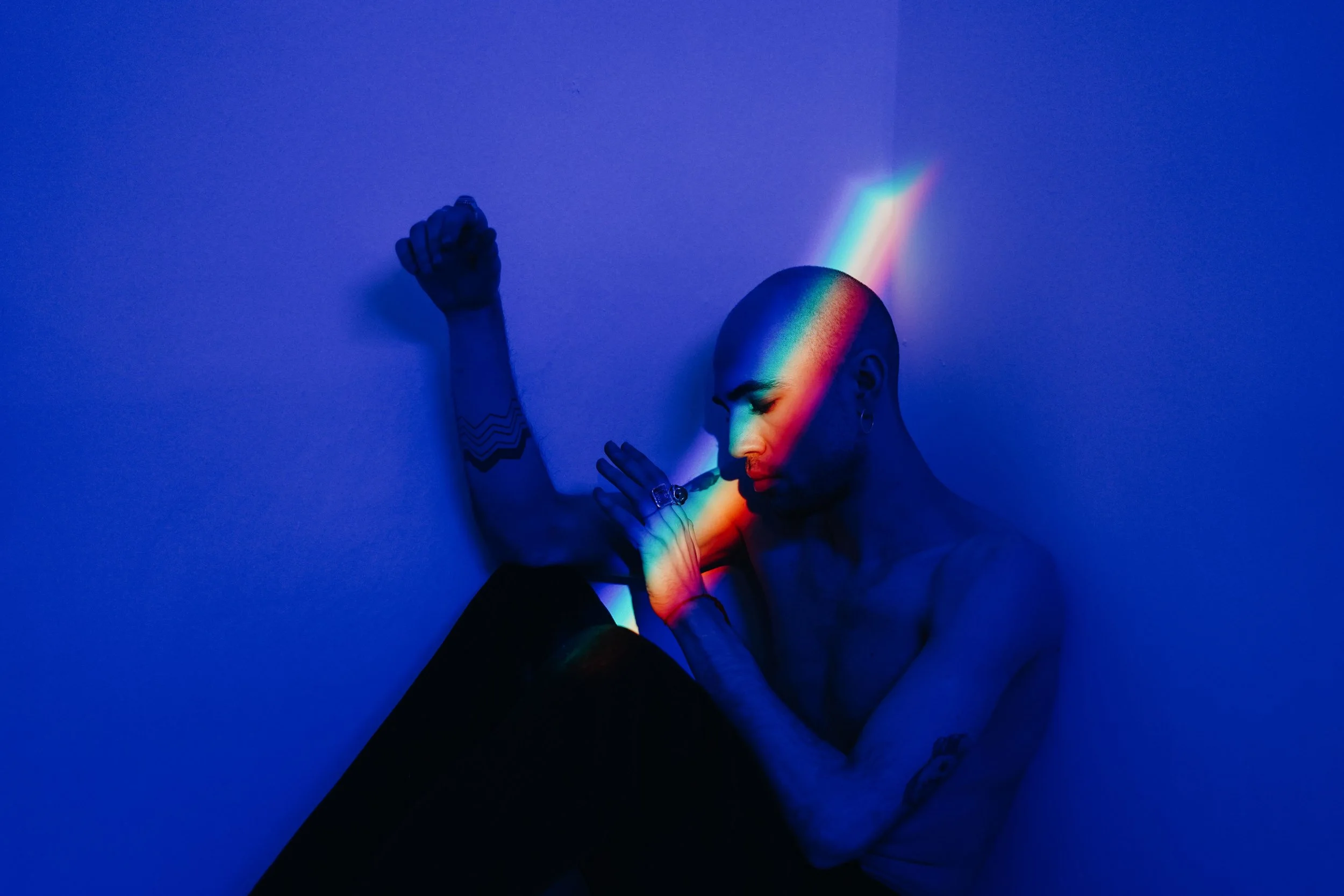
When Being Yourself Felt Dangerous: LGBTQ+ Trauma and How to Heal
Trauma rooted in LGBTQ+ identity, from family rejection to hate crimes to conversion therapy, is a specific clinical category that requires specific care. Here's what identity-based trauma looks like and what genuinely affirming trauma therapy offers.

What Was Done to You Was Not Therapy: Healing After Conversion Practices
Conversion therapy is not therapy. It is abuse dressed in clinical language. Its harms are documented, significant, and long-lasting. If you are a survivor, this post is about what recovery can look like and what you deserve from affirming care.

You're Not Broken, Repressed, or Missing Out: Asexuality and Mental Health
Asexual and aromantic people are among the most misunderstood and underserved in LGBTQ+ mental health spaces. If you've ever been told you just haven't met the right person, that you'll grow out of it, or that something must be wrong with you — this post is for you.
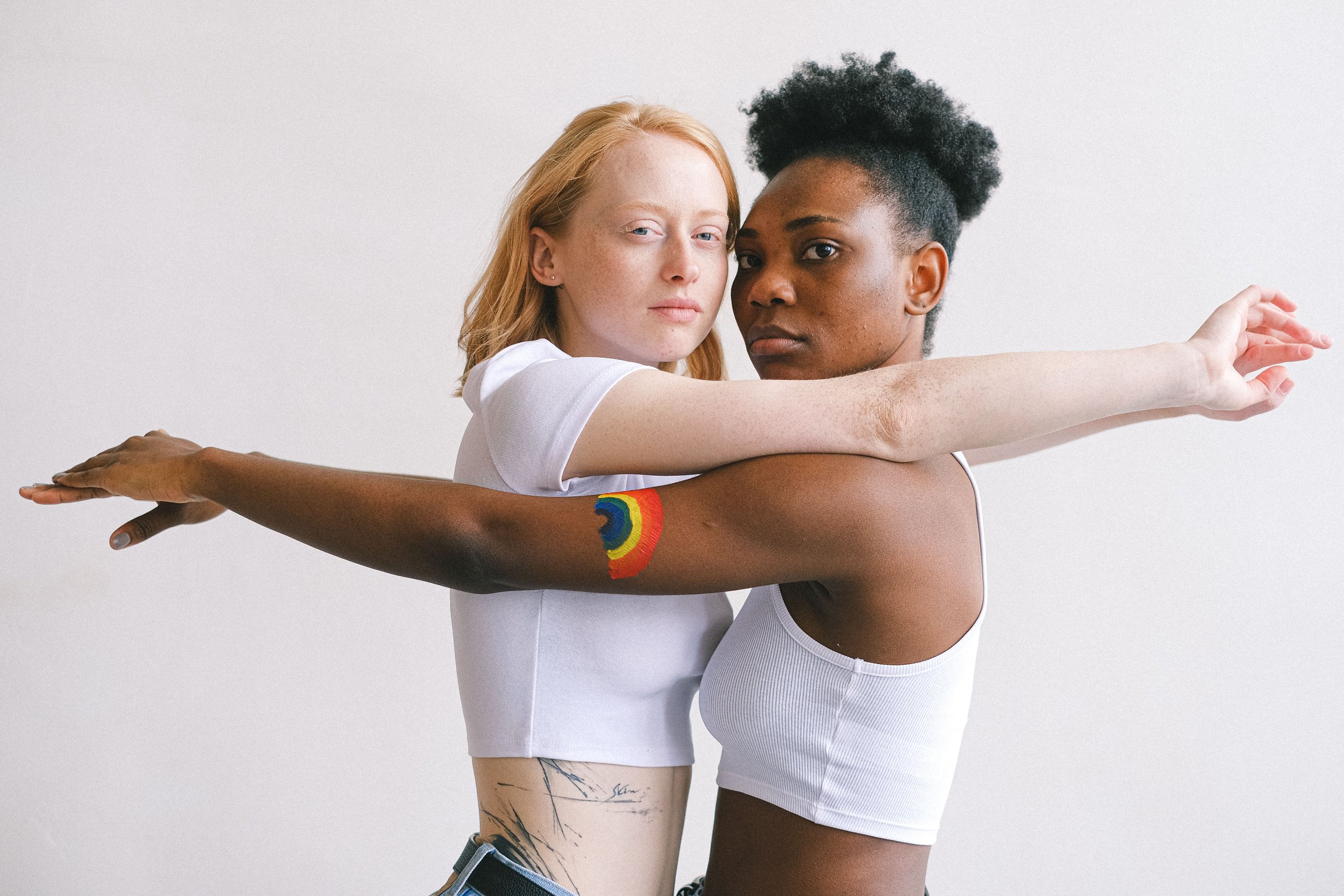
When You Don't Fully Belong Anywhere: Mental Health for LGBTQ+ People of Colour
Being LGBTQ+ and a person of colour means navigating multiple, overlapping forms of minority stress — and often finding that neither queer spaces nor POC spaces fully see you. This is what intersectional mental health looks like, and what affirming care needs to offer.
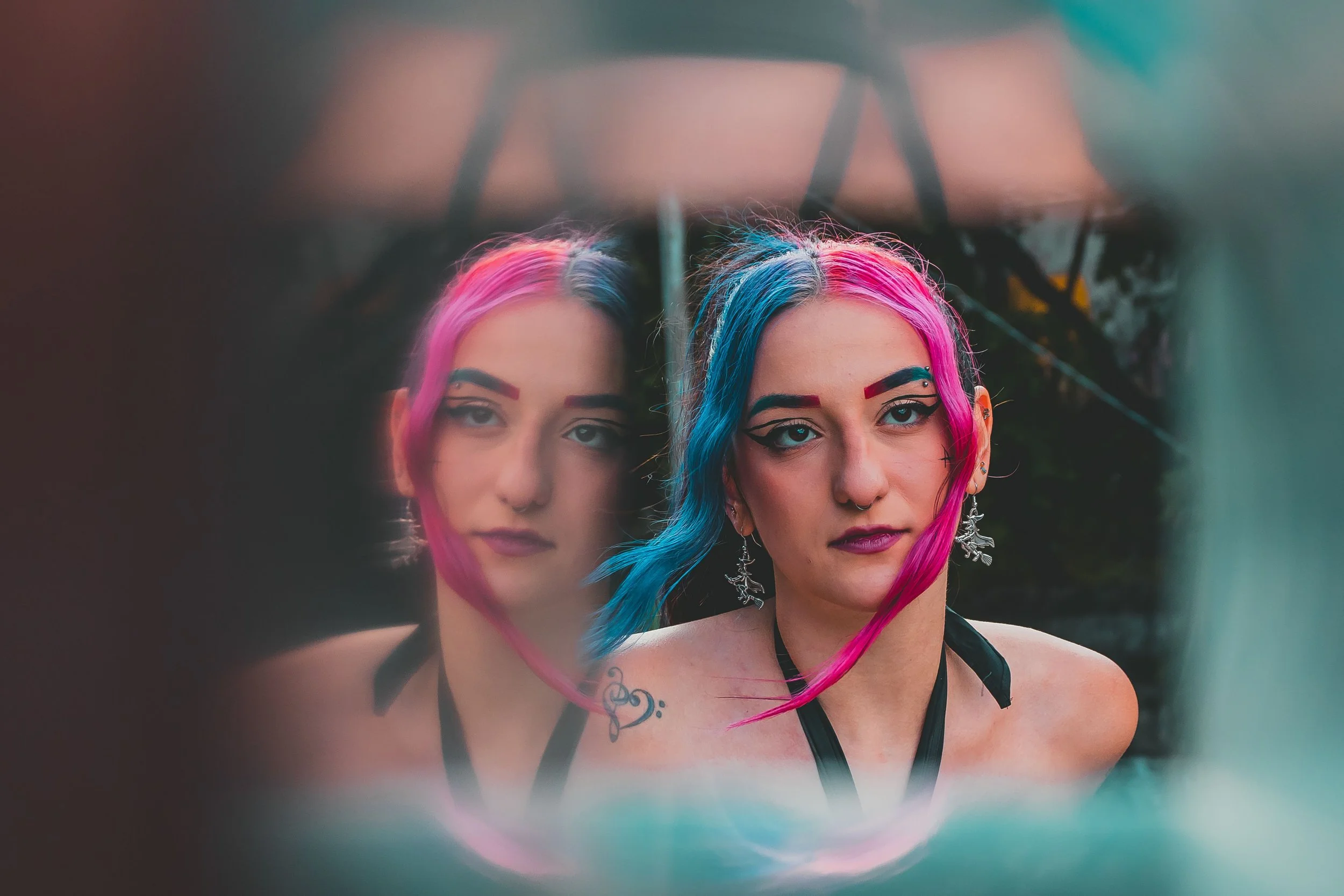
Two Ways of Being Different: What Happens When You're Queer and Neurodivergent
Research is increasingly finding that LGBTQ+ people are more likely to be neurodivergent, and neurodivergent people are more likely to be LGBTQ+. If you're navigating both, you already know the experience is its own thing. Here's what the overlap looks like, why it matters for mental health, and what genuinely supportive care looks like for people living at this intersection.