
Trauma and Stressor-Related Disorder
PTSD and Trauma
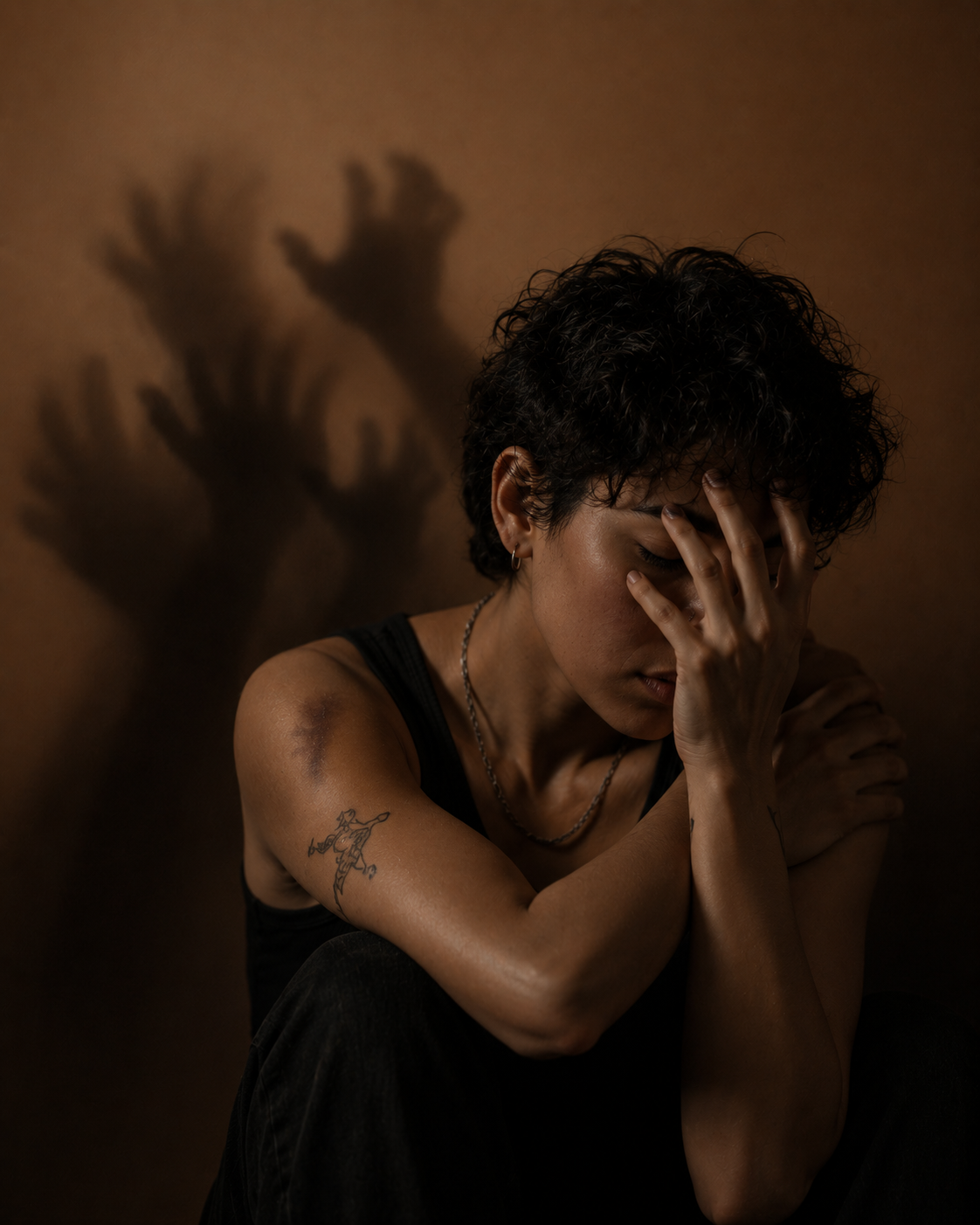
Trauma is one of the most undertreated conditions in LGBTQ+ communities. Outspace provides trauma-informed, identity-affirming psychiatric care.
Most patients pay less than $25 per appointment.






What is PTSD and Trauma?
PTSD develops after traumatic events or prolonged trauma. Symptoms include flashbacks, nightmares, hypervigilance, emotional numbing, and avoidance. Complex PTSD (C-PTSD) develops from repeated adverse experiences such as chronic discrimination or childhood neglect.
How it affects LGBTQ+ people
LGBTQ+ people experience trauma at disproportionately high rates, including from family rejection, conversion therapy, hate crimes, and healthcare discrimination. Many carry trauma that was never recognized as such, and healing begins with a provider who does.

Our treatment approach
Our psychiatrists provide medication management targeting hyperarousal, sleep disturbance, and intrusive thoughts. We coordinate with trauma-specialized therapists and follow your lead on pace.
Getting help shouldn’t be hard.

Book a Free 15-Minute Consult
Tell us a little about yourself — no pressure, no commitment. Just a conversation.

Meet your psychiatrist
Connect with a licensed provider via video or in person in Texas.

Attend Weekly Sessions
Flexible, personalised psychiatric care tailored to your life.
Meet the people you’ll actually talk to.
Licensed. Experienced. Genuinely affirming. Our therapists bring both clinical expertise and real understanding of the LGBTQ+ community

Danielle Richardson
Therapy is often the first brave step toward healing—and I’m so proud of you for starting on that path. I believe deeply in the power of being seen, heard, and understood, especially in moments when life feels heavy, messy, or uncertain.
LCSW-S
Agha Hussain
I work best with clients who are feeling stuck—like something in life has shifted, and the tools that once worked just aren’t cutting it anymore. My ideal client is one who is going through a challenge in life that is causing them to feel stuck or regress in everyday functioning.
LPC, Clinical Director
Real questions. Honest answers.
-
PTSD follows a single traumatic event. C-PTSD develops from repeated or prolonged trauma such as chronic abuse or ongoing discrimination, and often includes emotional dysregulation and negative self-concept.
-
Yes. Hate crimes, systemic discrimination, and persistent marginalization can all cause PTSD symptoms. Physical violence is not required for a trauma response to be valid.
-
Conversion therapy causes documented harm including PTSD, depression, and suicidality. Outspace providers are trained to support survivors and never practice or endorse it.
-
FDA-approved SSRIs including sertraline and paroxetine are first-line treatments. Prazosin can reduce nightmares. Mood stabilizers may help with emotional dysregulation.
-
No. Medication management does not require detailed trauma disclosure. We gather enough to understand your symptoms and follow your lead on what to share.
-
Yes. PTSD is very treatable. Most people experience significant symptom reduction with medication and trauma-focused therapy.
-
Therapy such as EMDR and CPT helps process traumatic memories. Medication reduces symptom severity so therapy can be more effective.
-
Yes. Dissociation is common after trauma, and our psychiatrists have experience treating it in the context of PTSD and C-PTSD.