
New Campus, New Self: LGBTQ+ Students and Mental Health at University
University is often described as a time of freedom and self-discovery, and for many LGBTQ+ students that is genuinely true. It may be the first environment where they have access to affirming community, the first place they come out broadly, the first time they are able to explore their identity without the constant monitoring of family or small-town community. It is also, consistently, a period of significant mental health vulnerability.
LGBTQ+ students show substantially elevated rates of depression, anxiety, and suicidal ideation compared to their non-LGBTQ+ peers at university. Outspace is here to support LGBTQ+ students in navigating this complex and significant time.
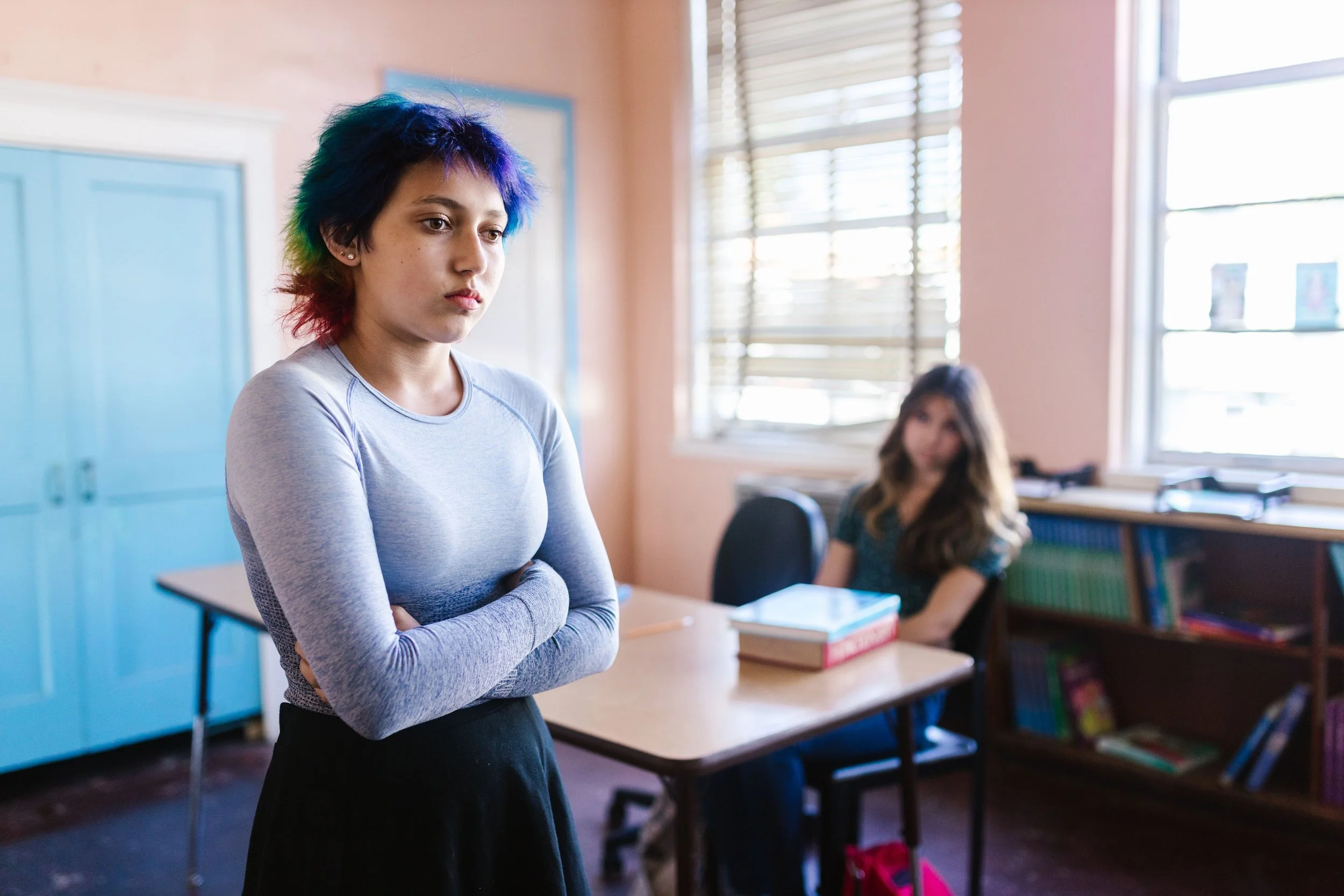
The Mental Health Landscape for LGBTQ+ University Students
Research published in the Healthy Minds Study of over 200,000 college students found that gender and sexual minorities at university experienced significantly greater levels of depressive and anxiety symptoms than their heterosexual and cisgender peers. LGBTQ+ students are more likely to report suicidal ideation, more likely to have attempted self-harm, and more likely to report barriers to accessing mental health support on campus.
These elevated risks exist alongside the genuine opportunities that university offers. The picture is complicated, and the support available needs to account for that complexity.
The Specific Challenges LGBTQ+ Students Face
The Pressure of New Freedom
For students coming from restrictive or unsupportive environments, the sudden access to affirming community and the possibility of living more openly can be both liberating and destabilising. Identity development that was suppressed or delayed does not simply spring forward smoothly when the conditions change. Many LGBTQ+ students find themselves doing significant and emotionally demanding identity work at the same time they are adapting to university life, which is already one of the most demanding transitions most people make.
Distance From Home Support Systems
Moving away from home removes whatever support structures were in place, including family, however complicated that family relationship may be. For LGBTQ+ students from unsupportive families, this may represent freedom. It may also represent the loss of familiar environments and relationships, however imperfect, while they are in the process of building new ones. The combination of new stress and reduced support is a well-documented mental health risk.

Campus Climate
The mental health experience of LGBTQ+ students is significantly shaped by campus climate: whether the institution is genuinely affirming, whether LGBTQ+ students feel safe and included, whether staff and faculty understand and respect LGBTQ+ identities, and whether incidents of discrimination or harassment are taken seriously. Research consistently shows that campus climate affects LGBTQ+ student wellbeing directly and significantly.
Accessing Campus Mental Health Services
Campus mental health services are often the most accessible mental health resource for students, but they are not always equipped to provide affirming care. LGBTQ+ students frequently report that campus counsellors lack the specific competency to support them, that they have had to educate counsellors on basic aspects of their identity, or that the counselling they received did not account for their specific experiences. This is a real and documented barrier to care.
Coming Out in New Contexts
University often involves coming out in multiple new contexts simultaneously: to new friends, to flatmates, potentially to a new intimate partner for the first time, in academic environments, and in social settings. The accumulation of these disclosure moments, with their associated uncertainty and vulnerability, is a specific form of stress that is particularly concentrated in the first year of university.
What Helps
Connect With LGBTQ+ Student Community Early
Research is clear that LGBTQ+ community connection is one of the most powerful protective factors for student mental health. Most universities have LGBTQ+ student societies, support groups, or community spaces. Connecting with these early, before a crisis point, is significantly more beneficial than seeking them out only when things are already difficult.
Know What Mental Health Support Is Available
University counselling services, LGBTQ+ specific support services, and external providers like Outspace all represent options. Knowing what is available before you need it makes it easier to access when you do. It is also worth knowing in advance whether the counselling service has staff with specific LGBTQ+ competency, or whether external affirming support might serve you better.
Give Yourself Permission to Go Slowly
The pressure to have your identity fully figured out and your community fully established by the end of freshers' week is not realistic or necessary. Identity development takes time. Community takes time. Allowing yourself to move at your own pace, rather than matching the apparent confidence of people around you, is one of the most important things you can do.
Use Online Resources and Community
Online LGBTQ+ community, including student-specific groups and support spaces, can provide connection and affirmation during the periods between in-person engagement. This is particularly useful during holidays or vacations when campus community is not available.
The Bottom Line
University is a period of real opportunity and real risk for LGBTQ+ students. The same freedom that enables identity development also removes familiar supports and places significant demands on resilience and coping capacity. The support available needs to be genuinely affirming and specifically attuned to the LGBTQ+ student experience.
Outspace provides online affirming therapy accessible to LGBTQ+ students wherever they are, with therapists who understand the specific landscape of queer university life.

Frequently Asked Questions
Is it normal to feel more anxious at university even if I expected more freedom?
Yes. The transition to university is one of the most significant and demanding life changes most people make. More freedom and more stress can coexist. Many LGBTQ+ students find that doing significant identity work at the same time amplifies this.
My university's counselling service doesn't seem to understand LGBTQ+ experience. What are my options?
External affirming therapy, including online options like Outspace, is available regardless of what your campus service offers. You are not limited to whatever is provided on campus.
I came out at university and my family at home is not accepting. How do I manage this?
This is a genuinely difficult situation that many LGBTQ+ students navigate. Affirming therapy can help you process the family dynamics, build your support structures at university, and manage the transition between home and campus environments.
I'm struggling academically partly because of my mental health. What should I do?
Your university's student support services can provide academic accommodations while you access mental health support. Both are worth pursuing simultaneously rather than waiting for one to improve before addressing the other.
How do I find LGBTQ+ community at a university that does not seem very affirming?
Online community is an option regardless of campus environment. LGBTQ+ student groups may exist even at less affirming institutions. And affirming community in the surrounding city or town is worth exploring.
I'm a postgraduate student and feel like mental health resources are focused on undergraduates. Is support available for me?
Yes. University counselling services are generally available to all students, though demand often outstrips supply. External providers including Outspace are available to students at any level of study.
